
Ground protection mats allow heavy equipment, vehicles, and foot traffic to safely cross soft or uneven ground, preserving the landscape and ensuring your project runs smoothly. Here are eight key benefits of using them.
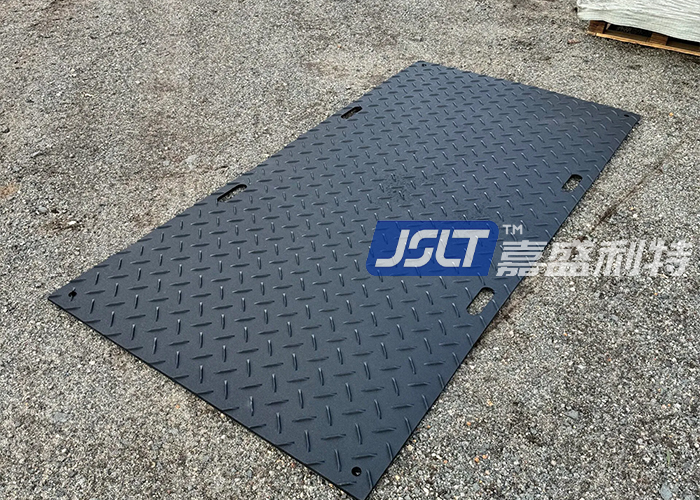
-Heavy Load Capacity & Structural Strength
Ground protection mats made from high-strength materials like HDPE, are engineered to handle very large loads. They distribute the weight of cranes, forklifts, trucks, or drilling rigs so that even in soft soil or muddy conditions, equipment won’t sink or damage the ground. Mats are built to flex slightly without cracking, which adds to their durability under repeated use.
-Build Temporary Access Quickly
One of the biggest benefits of ground mat is how fast a stable platform, roadway, or walkway can be established. Whether for construction, oil & gas operations, festivals, or emergency services, mats can be deployed swiftly with minimal ground preparation. This rapid mobilization saves time and labour — especially in remote or difficult-to-access locations.
-All-Weather Usability
Ground protection mats remain functional in adverse weather conditions. Rain, snow, or freezing temperatures typically degrade bare ground surface, making movement hazardous or impossible. Mats mitigate this by maintaining stable, non-slip surfaces, even when underlying soil is saturated or frozen. They also help protect turf or vegetation from frost damage and rutting.
-Reduced Environmental Impact
Preserving the natural landscape is often a priority. Mats minimize soil disturbance, prevent compaction, protect root zones of trees, and help avoid erosion. After use, HDPE ground protection mats are completely recyclable. This makes them an environmentally responsible choice compared to dumping gravel, laying concrete, or permanently modifying the terrain.
-Safer Working Surfaces (Slip Resistance & Stability)
Slippery, muddy, or uneven ground presents hazards. Mats provide a level, more predictable walking and driving surface. Many mats are textured to improve grip. This reduces risks of slips, trips, or machinery mishaps — enhancing safety for workers and protecting equipment from damage caused by unexpected shifts or slippage.
-Cost Efficiency Over Time
While the upfront cost of high-quality mats may be notable, their durability means lower long-term expenses. Durable materials resist rot, corrosion, insect damage, or warping. Because mats can be transported, stored, and reused across many jobs, the cost per use becomes very favorable. Also, savings result from reduced cleanup or site repair afterwards.
-Flexibility and Adaptability
Ground protection mats are useful in a wide variety of settings: construction, landscaping, forestry, landscaping events, utility maintenance, oil & gas site preparation, festivals, and film settings. They come in different sizes, materials, and connection methods, letting you build walkways, roads, ramps or platforms that fit site-specific needs. They can be joined, chained, or placed to follow contours, slope, or existing features.
-Protects Turf, Vegetation & Aesthetic Quality
In many sites — golf courses, parks, heritage gardens, residential properties — preserving the look and health of grass, trees, and landscaping is important. Mats prevent rutting, tearing of turf, and crushing of vegetation. After removing mats, the ground beneath often recovers more rapidly since its structure has been protected. This means less restoration work, watering, and reseeding.
Ground protection mats are not just a convenience — they are a smart investment for anyone needing temporary access over soft, sensitive, or difficult soils. They combine strength, safety, environmental mindfulness, and cost savings.
If you’d like help selecting the right ground protection mat solution for your specific project (soil type, load, weather), I’m happy to assist.
 HDPE Ground Mat – Temporary Track Mats