
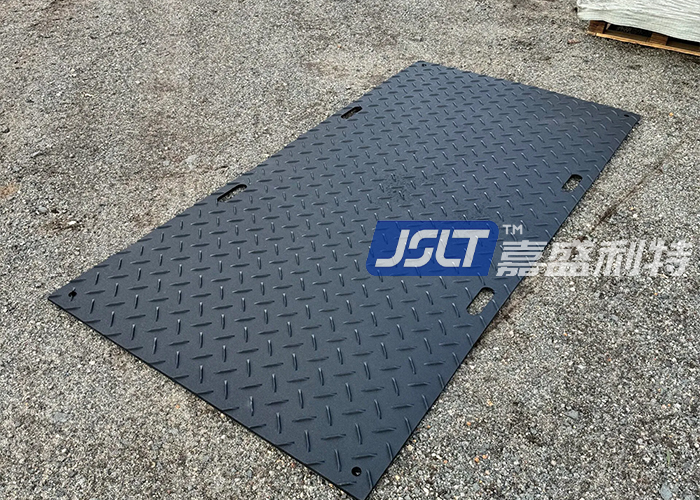
Using heavy machinery like cranes, excavators, or fully loaded dump trucks without proper ground protection is a recipe for disaster: damaged turf, rutted soil, and—worst of all—stuck equipment. High-Density Polyethylene (HDPE) ground mats are the go-to solution, offering a stable, durable, and lightweight alternative to old-school plywood.
But not all HDPE mats are created equal. To ensure your investment handles your iron giants without fail, you need to match the mat to the job. Here are the three critical factors to consider when selecting HDPE ground mats for heavy equipment.
1. Know Your Load
This is the most critical factor. The capacity of the mat must exceed the maximum load placed on it.
A. Calculate the Maximum Weight
Don’t just look up the operating weight of your machine. You need to calculate the gross static weight—the total weight of the machine plus its maximum load.
- Cranes & Lifts: For cranes, this is less about the machine’s overall weight and more about the concentrated pressure applied through the outrigger pads. You need a mat that can handle this extreme point-load force.
- Excavators & Dump Trucks: Consider the machine’s weight when it is fully loaded with dirt, gravel, or debris.
B. Match Weight to Mat Thickness
Mat thickness directly correlates with its load-bearing capacity and ability to spread weight. A thin mat may work for a pickup truck on firm ground, but for an 80-ton crane on soft subgrade, you need maximum mass and rigidity.
| Equipment Type | Ground Condition | Recommended HDPE Thickness |
| Light Commercial (Skid Steers, Small Lifts) | Firm Soil, Turf | 1/2″ to 3/4″ (12.7 mm to 19 mm) |
| Heavy Construction (Excavators, Loaded Dump Trucks) | Average to Soft Soil | 3/4″ to 1″ (19 mm to 25.4 mm) |
| Extreme Loads (Large Cranes, Tracked Vehicles) | Very Soft, Swampy Ground | 1″ to 2″ (25.4 mm to 50 mm+) |
Note: Always check the manufacturer’s specific load-rating, as it often depends on the type and firmness of the subgrade underneath the mat.
2. Assess the Terrain
The weight of your equipment is a constant, but the ground beneath it is the variable that determines your mat’s performance.
A. Subgrade Condition: Soft vs. Hard
A mat’s load capacity rating is based on the assumption of a relatively stable, hard subgrade. If you’re working on a construction site with mud, sand, or marshy soil, the mat must work much harder to prevent sinking.
- Soft Ground: Requires a thicker mat with a wider surface area and potentially specialized, larger dimensions to distribute the weight across the weakest points. You may also need to consider interlocking systems to create a continuous, more rigid roadway.
- Hard/Finished Surfaces: If you are protecting pavement, concrete, or dry, firm ground, a slightly thinner mat may suffice, focusing instead on surface traction to prevent slippage.
B. Traction Surface: Gripping the Grime
Your mat needs to grip both the ground and the tires/tracks of your machine.
- Aggressive Cleats/Treads: For muddy, wet, or steeply sloped terrain, look for deep, aggressive cleats on the underside to keep the mat anchored, and a pronounced diamond-plate or chevron pattern on the top for equipment traction.
- Milder Textures: If the primary use is for temporary walkways or protecting sensitive turf, a smoother, less aggressive tread will prevent tearing the grass or making pedestrian travel difficult.
3. Consider Usability & System Design
Heavy equipment operations require speed and safety. Your mat system should support these goals.
A. Connection System
For temporary roadways or large work platforms, the mats must connect securely to prevent shifting, gapping, and overlap—all of which are major safety hazards.
- Interlocking Pins: Look for mats that use a secure, easy-to-install locking pin or coupler system. This keeps the entire system rigid and stable, especially under heavy, dynamic loads from moving machines.
- Handles and Weight: If you plan on deploying the mats by hand (common for smaller mats or quick access paths), ensure they have integrated, recessed handles and are a manageable weight for your crew.
B. Size and Configuration
Choose a mat size that is practical for the transport vehicle you own and the dimensions of the area you need to cover. A very large mat covers more space quickly, but it may require machine assistance (like a forklift) to place.
| Mat Size Factor | Consideration for Heavy Equipment |
| Overall Size | Choose a size that covers the required width of the vehicle track/tires plus a safety margin, especially at turns. |
| Connecting System | If creating long temporary roads, ensure the size allows for fast connection and alignment. |
| Outrigger Pads | For cranes, the mat must be large enough to completely cover the area under the outrigger pads. |
Choosing the right HDPE mat is just a matter of honest assessment: What is the heaviest thing you’ll put on it, and how soft is the ground underneath it? Get those two answers right, and your crew, your equipment, and your job site will thank you for years to come.
 HDPE Ground Mat – Temporary Track Mats